
Choosing a Pet
How to choose the right dog for your lifestyle
Energy, space, time and budget matter far more than whichever breed is currently all over your feed. Here's how to choose a dog that fits the life you actually live.
Pawloma · 8 min read · 17 August 2026
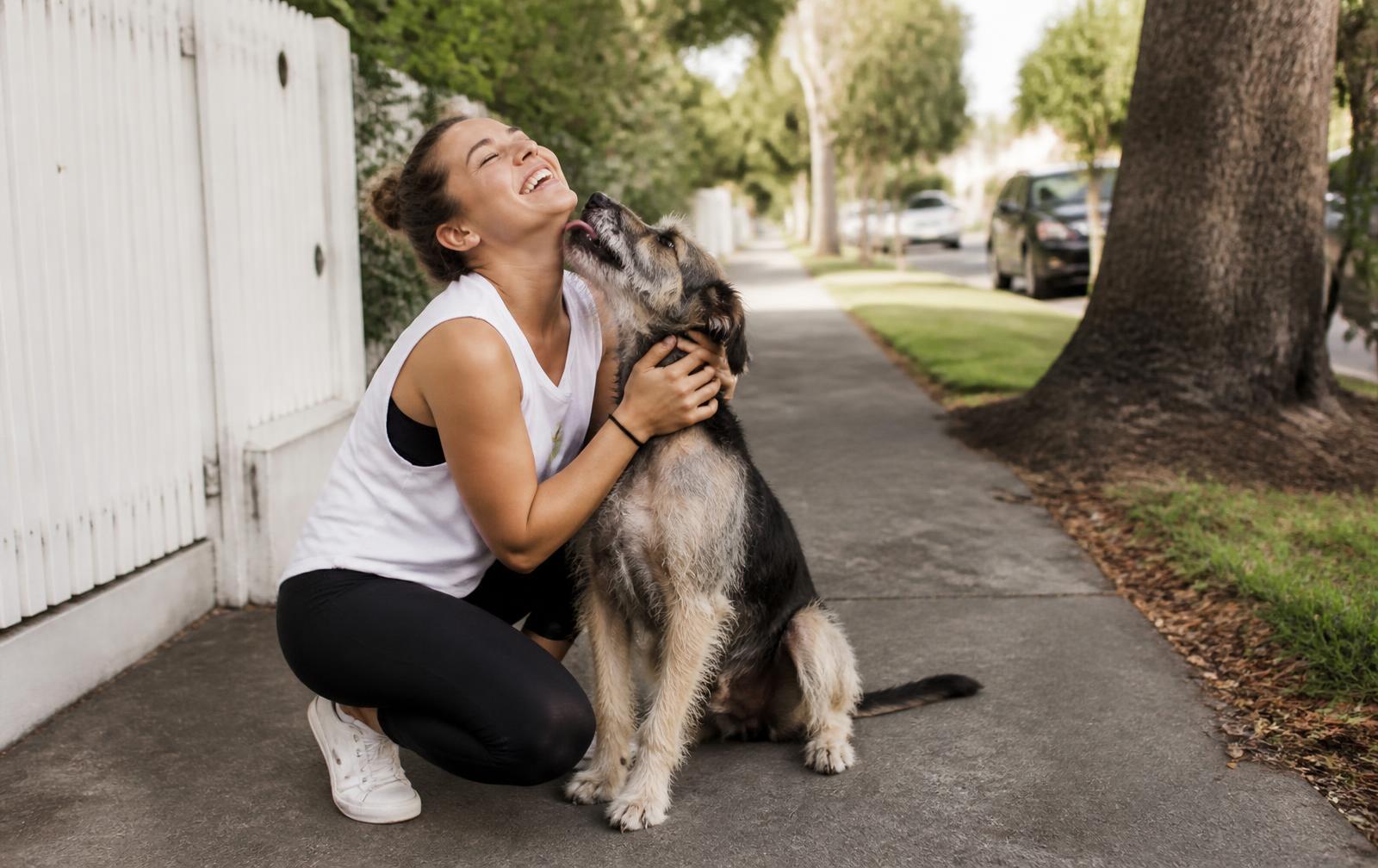
Most people choose a dog the wrong way round. They pick a look, then try to bend their life around it. It usually works out — dogs are generous like that — but there's an easier way, and it starts with being honest about how you actually live rather than how you'd like to.
Here's the framework we use when someone asks us, usually over a coffee, whether a particular dog is a good idea.
Start with your week, not the breed
Write down a normal week. Not a good week. A normal one, with the late meeting, the kids' sport, the Saturday you spend horizontal. Then ask what a dog would need to slot into it.
- How many hours a day is the house genuinely empty?
- Who is doing the 6am walk when it's raining and nobody wants to?
- How often do you travel, and what happens to the dog when you do?
- Is there anyone home who needs the dog to be calm — a baby, an elderly parent, a nervous cat?
The answers narrow things down faster than any breed quiz. A dog that needs two hours of work a day is a wonderful dog and a terrible idea for a household that has twenty spare minutes.
Energy is the make-or-break match
Almost every 'my dog is difficult' story we hear is really an energy mismatch. An under-exercised, under-stimulated dog doesn't sulk quietly — it redecorates, barks, digs and pesters. Match energy first and half the problems never appear.
Low to moderate energy
Happy with a solid daily walk, some sniffing time and a decent couch. Suits busy families, apartment life and anyone who wants a companion more than a training project.
High energy and working lines
Kelpies, border collies, working cocker types, many of the terriers. Brilliant dogs, genuinely fun, and they need a job. If your idea of a great weekend involves boots and a trail, this is your category. If it doesn't, be honest now rather than in six months.
Space matters less than you think — but not none
Plenty of large, calm dogs live beautifully in apartments, and plenty of small dogs are miserable in big backyards with nothing to do. A yard is storage, not exercise. What matters more is access: are there walks, parks and footpaths near you, and will you use them?
If you rent, check your lease and strata rules before anything else. In NSW, pets in strata can't be unreasonably refused, but the paperwork is far easier to sort before a dog is standing in your loungeroom.
The real budget
The purchase or adoption fee is the smallest number in the whole exercise. Plan for food, preventatives, vaccinations, council registration, grooming, insurance or a savings buffer, and care while you're away. Bigger dogs cost more across almost every line. Long coats add grooming. Flat-faced breeds add vet risk.
The number that catches people out is emergency vet care. Decide early whether you'll carry pet insurance or self-insure with a dedicated savings account — just decide something, before you need it.
Puppy, adult or senior?
- Puppy: maximum shaping, maximum work. Broken sleep, toilet training, socialisation windows and about eighteen months of adolescence nobody warns you about.
- Adult: what you see is largely what you get. Often already toilet trained and settled. The best-kept secret in dog adoption.
- Senior: gentle, grateful and low-drama, with a shorter runway and likely higher vet costs. Enormously rewarding if you go in clear-eyed.
Breeder, rescue or rehome
All three can be the right answer. What matters is transparency. A good breeder will ask you as many questions as you ask them, health test the parents, let you meet the mother and never rush you. A good rescue will tell you the awkward bits — the reactivity, the separation anxiety, the cat that didn't work out — because they'd rather place the dog once.
Walk away from anyone who meets you in a car park, won't show you where the dog lives, or has a puppy available for immediate collection with no questions asked.
The best dog for you is rarely the most impressive one in the room. It's the one whose ordinary Tuesday looks like yours.
Before you commit
- Meet the dog twice, on different days, ideally in different settings.
- Ask what the dog is like when it's bored, alone and overexcited.
- Agree in your household who owns which job — feeding, walking, vet, training.
- Sort your care plan for holidays and hospital-shaped surprises before you need it.
Do that and you're not gambling. You're choosing — and a dog chosen properly tends to make the whole household easier, not harder.